
I'd like to show you how you can use acupressure—a powerful technique from Traditional Oriental Medicine—to find relief from your...
Read More
Menu
5 Simple Self-Care Tips to Avoid Migraine Headaches

January 13, 2026
Headache
Take Back Your Day: 5 Simple Self-Care Tips to Avoid Migraine Headaches
Hi there, it’s Satoru from hariQ acupuncture & herbs. I’ve been hearing from many of my patients about the challenges of managing migraines. Migraines are more than just a passing headache; they can be a significant roadblock, preventing you from enjoying your life, spending time with loved ones, or simply feeling like yourself. The unpredictable nature of these attacks can leave you feeling powerless. That’s why I want to share some deeper insights and practical tips on how you can take control and help prevent those debilitating triggers. By understanding your body and making simple, consistent changes, you can start living a life with more clarity and less pain.
We understand this can be a lot of information and overwhelming: if you are looking for more support and answers, set up a free consultation with our Migraine Specialist, Satoru Ozawa. Share your story, get your questions answered, and learn how you can set yourself up for tremendous success in achieving a healthy life.
Understanding the Migraine Journey

Most people think of a migraine as a single event, but it’s actually a multi-stage neurological process. By recognizing these stages, you can better understand what’s happening in your body and even take action to lessen the severity of an attack.
1. The Prodrome Phase (The Warning Stage)
This can happen a day or two before the headache. You might notice subtle changes like mood swings, food cravings, neck stiffness, frequent yawning, or increased urination. This is your body’s early warning system.
2. The Aura Phase
Occurring just before or during the headache, the aura is a reversible nervous system symptom. While many people don’t experience it, for those who do, it can involve visual disturbances like flashing lights, zigzag lines, or blind spots. It can also cause numbness, tingling, or difficulty speaking.
3. The Attack Phase
This is the most well-known stage, characterized by the severe, throbbing pain, usually on one side of the head. This is when symptoms like nausea, vomiting, and extreme sensitivity to light and sound are at their peak.
4. The Postdrome Phase (The "Migraine Hangover")
After the pain subsides, you might feel drained, exhausted, and weak. Your neck and head may still feel sore, and some people describe a feeling of being “hungover.”
Understanding these phases is key to managing your condition. By recognizing the early signs in the prodrome phase, you may be able to take steps that can prevent the full-blown attack from taking hold.
Diving Deeper into Migraine Triggers
Migraine triggers are highly personal, but there are common culprits that affect many sufferers. A deeper understanding of these triggers can help you manage them more effectively.
- Stress: We all experience stress, but for migraine sufferers, it can be a major issue. When you’re stressed, your body releases hormones like cortisol and adrenaline. The “let-down” period after a stressful event can also be a trigger, which is why many people get migraines on weekends or after a big project is finished.
- Dietary Factors: The relationship between food and migraines is complex. Common food triggers include aged cheeses, processed meats with nitrates, chocolate, and monosodium glutamate (MSG). Drinks like red wine, which contains sulfites and tyramine, and excessive caffeine (or a sudden withdrawal from it) are also frequent offenders.
- Hormonal Changes: This is a major factor for women. Fluctuations in estrogen, particularly around the menstrual cycle, can lead to “menstrual migraines.” Pregnancy, perimenopause, and certain birth control pills can also influence migraine patterns.
- Sleep Patterns: Both a lack of sleep and too much sleep can disrupt your body’s natural rhythms. The brain needs a consistent sleep schedule to function properly. Disrupting it, even on weekends, can be a major trigger.
- Environmental Factors: Our senses can be very sensitive. Strong, lingering smells (perfume, gasoline, certain cleaning products), bright or flickering lights (fluorescent bulbs, screen glare), and even changes in barometric pressure can all trigger a migraine.
5 Steps to Self-Care and Migraine Prevention
Taking control of your migraines starts with simple, consistent daily habits. Here are five self-care steps you can take today.
1. Keep a Detailed Migraine Diary

This is the most powerful tool in your arsenal. Don’t just write down when you had a headache. Track everything: what you ate, how much you slept, your stress levels, your mood, any new smells or lights you were exposed to, and even the weather. Over time, this diary will reveal your unique trigger patterns, allowing you to proactively avoid them.
2. Make Stress Management a Daily Habit

Stress isn’t just a mental state; it’s a physiological one. Incorporate daily practices to calm your nervous system. This could be 15 minutes of meditation, a gentle walk in nature, listening to calming music, or simply spending time on a hobby you love. Journaling about your feelings can also be a powerful way to process stress.
3. Prioritize Sleep Hygiene

Think of sleep as a non-negotiable. Aim for 7-9 hours of sleep per night and stick to a consistent schedule, even on weekends. Create a relaxing bedtime routine that includes avoiding screens for an hour before bed, keeping your room cool and dark, and using your bed only for sleep.
4. Stay Hydrated and Eat Consistently

Dehydration can be a fast and sneaky trigger. Make a habit of carrying a water bottle with you and sipping throughout the day. Additionally, skipping meals can cause your blood sugar to drop, which can lead to a migraine. Eat small, balanced meals and snacks at regular intervals to keep your blood sugar stable.
5. Listen to Your Body

Pay attention to the subtle signals your body gives you. That feeling of a stiff neck, the sudden fatigue, or the sensitivity to a strong smell could be a sign that a migraine is on its way. Don’t ignore these early signs. Take a moment to rest, breathe, and remove yourself from the trigger if possible.
How Acupuncture and Traditional Chinese Medicine Can Help
While these self-care tips are incredibly effective, they are only one part of a comprehensive strategy. In Traditional Chinese Medicine (TCM), migraines are often viewed as a result of imbalances in the body’s energy (Qi) and blood flow.
Acupuncture can be a powerful tool for migraine management. By inserting very fine needles into specific points on the body, we can help:
- Reduce Stress: Acupuncture has been shown to calm the nervous system and reduce the stress hormones that can contribute to migraines.
- Improve Circulation: It can increase blood flow to the head and neck, helping to relieve tension and pain.
- Balance Energy: TCM focuses on restoring the body’s natural balance, which can help regulate the internal systems that may be contributing to your migraines.
By taking these steps—from self-care to professional support—you can move from a place of fear and pain to a place of empowerment and control. I hope this information helps you live more comfortably and spend your time efficiently, free from the burden of painful headaches every day.
Important Note
Remember, this information is for educational purposes. If you suffer from frequent or severe migraines, it’s crucial to consult with a healthcare professional to get a proper diagnosis and comprehensive treatment plan.
Pursuing Your Health is Our Passion
Call or Text 972-777-0836
We'll be happy to answer your questions.
When Should I start Acupuncture?
As a general rule of thumb, the sooner one receives treatment, the better the prognosis. Some patients come for migraine treatment months or even years after the initial onset, and these chronic cases are often more complex and take a much longer time to achieve results. Even then, recovery is not guaranteed.
How Often Should I Schedule Acupuncture Sessions?
Regarding the frequency of treatments, Acupuncture follows a simple rule. Acute and relatively new conditions are most effectively treated with more frequent visits, whereas chronic and old conditions can benefit from more widespread treatments. In other words, if you just had an onset of migraines, you will probably be prescribed 2-3 treatments per week in order to get the most effective results, and chronic cases will generally come in only once a week.
If you’re looking for a holistic, non-pharmaceutical approach to managing your migraines, acupuncture might be the right choice for you and want to learn more about acupuncture and whether it’s appropriate for your case, send us a message through our contact page. Thank you for taking the time to read this blog post! I appreciate your interest and hope to see you again for future posts.
We understand this can be a lot of information and overwhelming: if you are looking for more support and answers, set up a free consultation with our migraine Specialist, Satoru Ozawa. Share your story, get your questions answered, and learn how you can set yourself up for tremendous success in achieving a healthy life.
RECENT ARTICLES
These blogs are about natural remedies, acupuncture, Chinese medicine, Chinese herbs, and health tips.
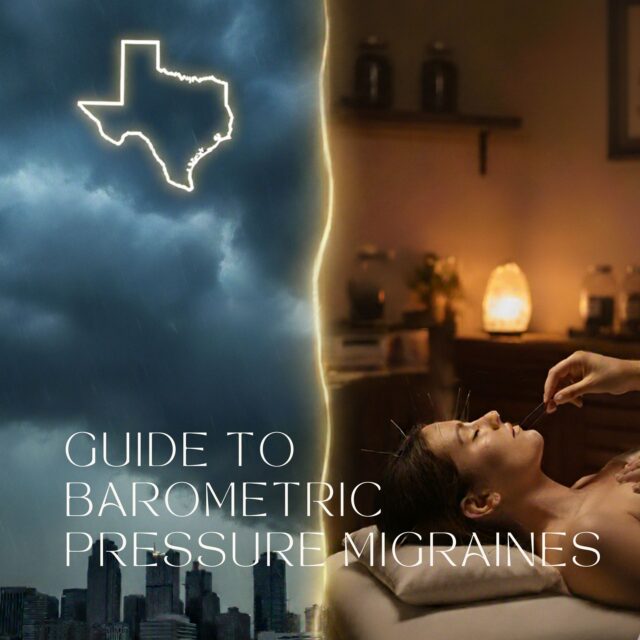
When a Storm is Brewing: A Plano Resident’s Guide to Barometric Pressure Migraines
Living in Plano, you know the weather changes. Sudden storms and fronts cause barometric pressure migraines. Get help for the...
Read More
Satoru Ozawa, L.Ac, ATC
hariQ acupuncture & herbs
Licensed acupuncturist, Certified Athletic Trainer and Chinese herbal specialist. With his 10 years of experience in Oriental Medicine, he will recommend the best natural Remedies, including Acupuncture, Chinese herbs, and health tips to relieve your suffering.